The European Way of
Peer-Reviewed
Academic Publishing
MADE POSSIBLE BY THE EUROPEAN UNION

Our Chairman
Prof. Dr. Dr. Helena Samaras
Welcome
Science - The European Way
We are delighted and proud to introduce Prof. Dr. Dr. Helena Samaras as our Chairman. Her commitment to Swabian n.e.V. is a profound statement of passion for independent science and a dedication to fostering a better research environment. Prof. Dr. Dr. Samaras embodies the 3,000-year tradition of Hellenic scholarship and has concluded a career defined by complete fulfillment and exceptional achievements in medical research. As a retired Military Physician and Researcher with the Greek Armed Forces, she oversaw three medical departments. Her research primarily focused on defensive medical issues, such as protecting the population against biological threats. The work from this sensitive period was subject to secrecy classification and is therefore not publicly accessible. In fact, she is widely considered one of the most widely published women in the Hellenic Republic. The appointment of Prof. Dr. Dr. Samaras as Chairman is not a step in an academic career, but an expression of her deep conviction. She deliberately distances herself from the established scientific community, which is often characterized by self-promotion and competition. Instead, she leverages her expertise and authority as Chairman of Swabian n.e.V. to build a first viable and successful non-profit alternative to the scientifically and industrially problematic complex centered on gatekeeper journals and platforms like PubMed. With her visionary leadership and selfless dedication, we are confident that Prof. Dr. Dr. Samaras will guide our institution from something great to something even greater. Her commitment is proof that shared passion has brought together what belongs together.
Our Publishing Hubs
E-Pubs for peer-reviewed papers - an EU project

ZENODO
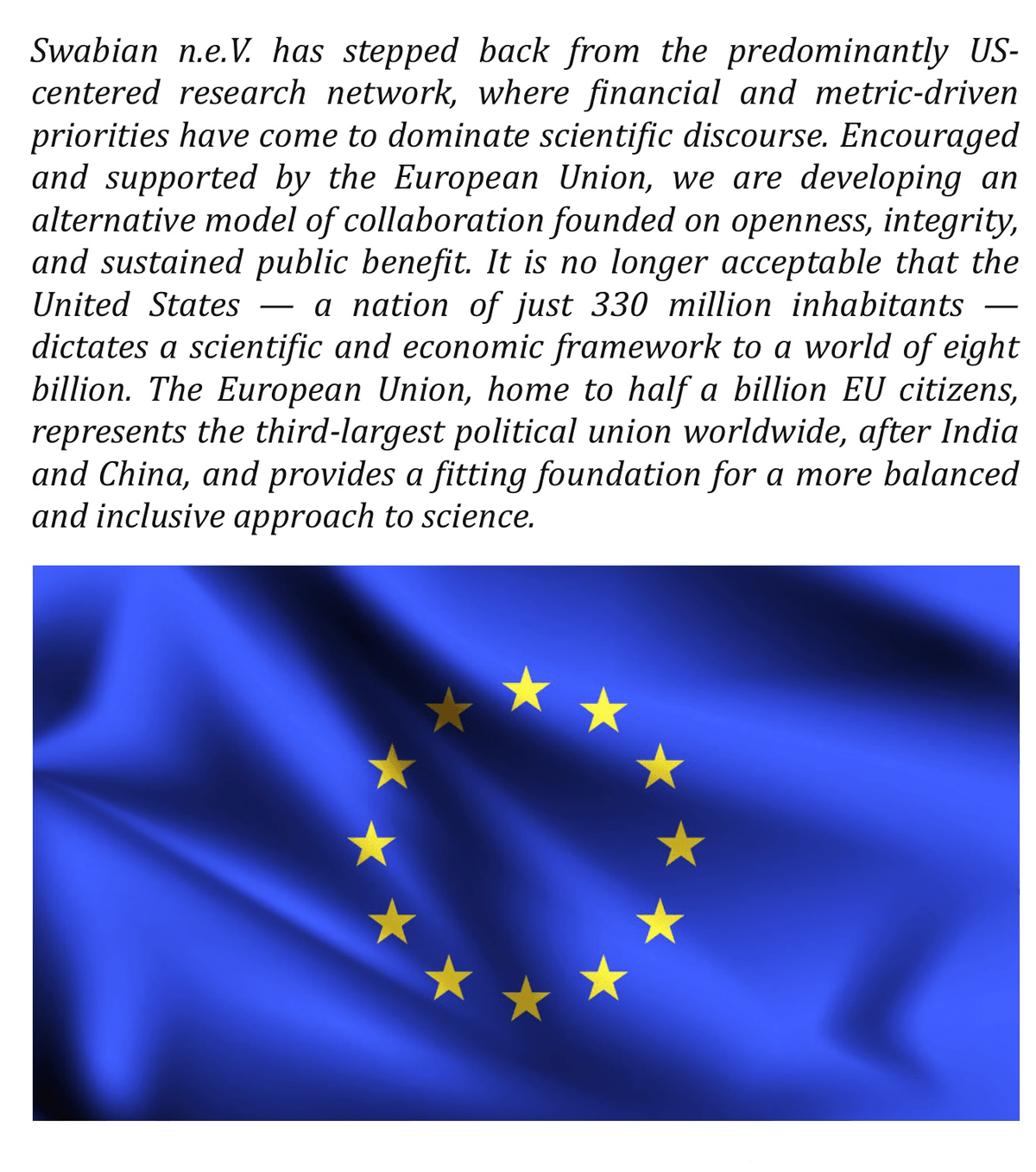
Strongly supported by the European Union as an antidot to the science-pharma-complex in the United States that allows a country of just 330 mio inhabitants to decide via PubMed what the other 8 billion should believe as "good" science. It's a swamp. Zenodo, run by CERN is a tool to say "enough is enough".

Figshare
figshare pioneered open research data when journals still hesitated. Today, this Digital Science platform sets the standard that others follow. A decade of trust from the world's leading publishers speaks for itself.

ResearchGate
With 20 million researchers, ResearchGate is science's largest professional social network. When finding the right collaborator is just one click away, innovation accelerates.

Why we chose OSF over Harvard Dataverse
We have moved our repository hosting to the Open Science Framework (OSF) to support a truly open and neutral scientific community. We are no longer supporting Harvard-affiliated platforms. Rest assured, all our publications remain rigorously peer-reviewed and are always secured with a DOI for permanent citation.
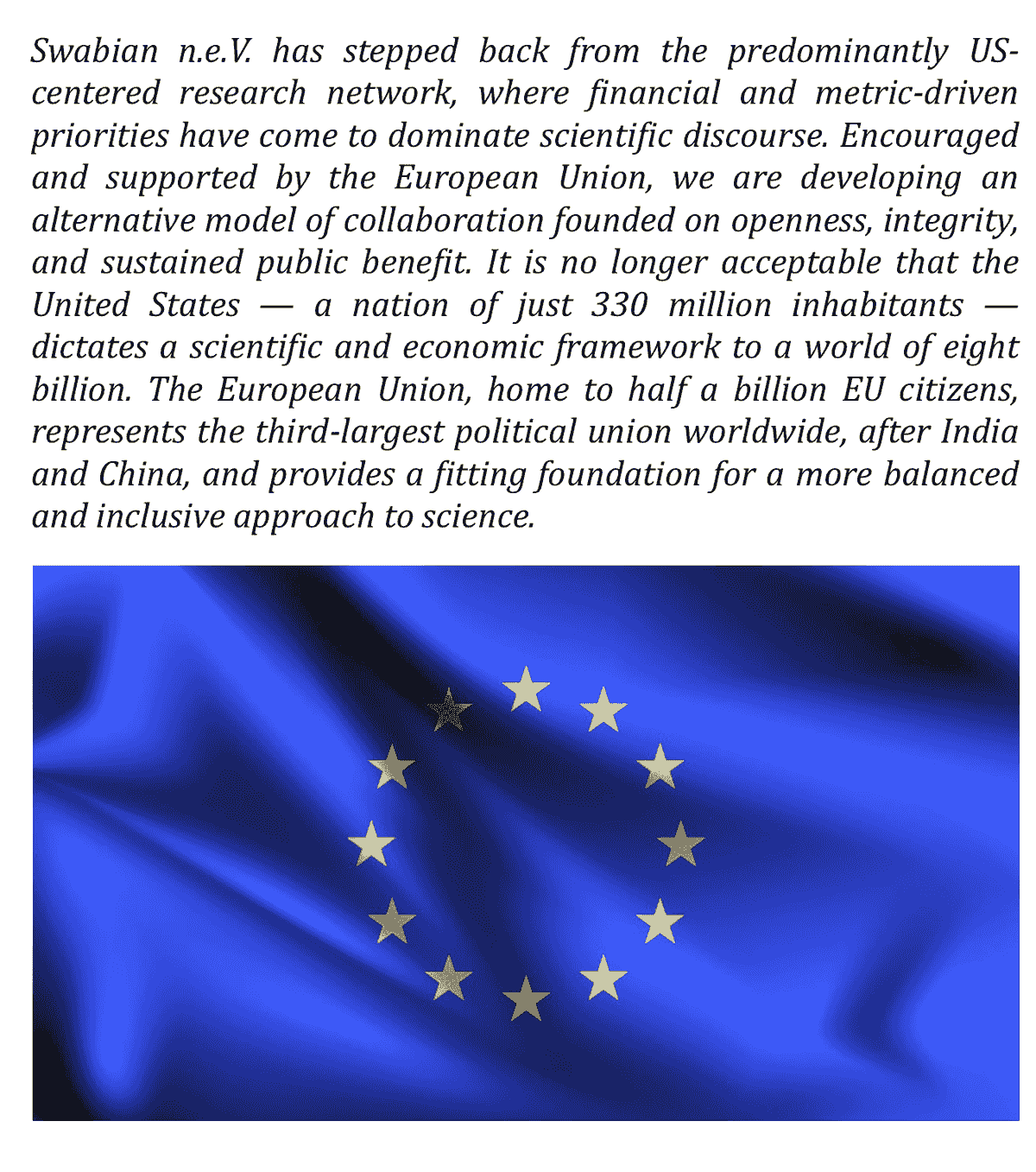
We are the European Union Alternative to the United States System of the American Gatekeeping System.
We offer you Ethical Peer Reviewed, no Preprints, no Grey Literature. All Non-Pofit.
PubMed primarily indexes elite gatekeeper journals, many of which are wholly or partly owned by BlackRock - a pension fund with deep ties to pharmaceutical giants - making it less a neutral repository of medical knowledge than a corporate-curated archive; we, by contrast, are the antithesis: independent, unfiltered, and unbought.
Our Curator Eric Stone and Dr. Adrian Tudo - The guardians of your work.
Behind every publication at Swabian n.e.V. stand two steady minds: Eric Stone and Dr. Adrian Tudor. They don’t just oversee the process — they accompany each work through time.
Academic publishing today moves fast. Files change, standards shift, technologies age. Yet the research itself deserves care that lasts. That’s why Swabian commits to ten years of active curation for every digital paper we publish.
Eric Stone, formerly with Harvard Dataverse, now brings his expertise fully to Swabian, working alongside Dr. Adrian Tudor to ensure that every update, every revision, every ePub remains precise and true to its original intent.
SHARE YOUR KNOWLEDGE
For experienced researchers
THE AUTHORITY OF CLEAN RESEARCH
Get published - For free.
INCLUDING PEER REVIEW - NO FEES
By University Professors
Swabia
A Hub of Innovation
Geographic and Political Context
Swabia is a province of Baden-Württemberg, a member state of the German Federation. This region, steeped in history and tradition, has played a pivotal role in shaping modern Germany and beyond.
The Swabian Character
Swabians are renowned for two key traits: A strong work ethic is deeply ingrained in the local culturel resourcefulness and efficient use of resources are highly valued. These characteristics, far from being limiting, have fostered an environment of innovation and excellence.
A Cradle of Invention
The industrious nature of Swabians has given rise to some of Europe's most brilliant and inventive minds. This intellectual ferment has led to groundbreaking advancements across various fields:
- Engineering
- Technology
- Science
- Industry
- Medicine
Global Impact
The influence of Swabian innovation extends far beyond its borders. In fact, it's often said that there is no product on Earth untouched by Swabian technology. This bold statement underscores the region's outsized impact on global technological progress.
A Legacy of Excellence
From precision machinery to cutting-edge software, Swabian ingenuity continues to shape the world we live in, cementing the region's status as a powerhouse of innovation

We are a German n.e.V. and this our
VORSTAND | BOARD
Incorruptible and bound only to one's own conscience.
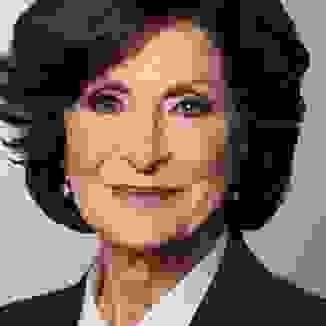
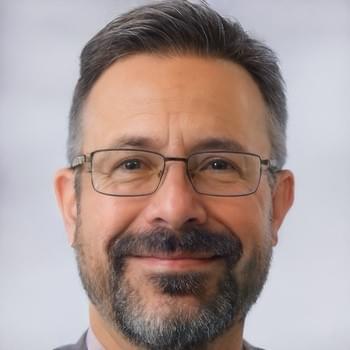
Prof. Dr. Dr. Helena Samaras
Chairman (English)

Dr. med. Peter Müller
Vice Chairmain (GER/ENG)

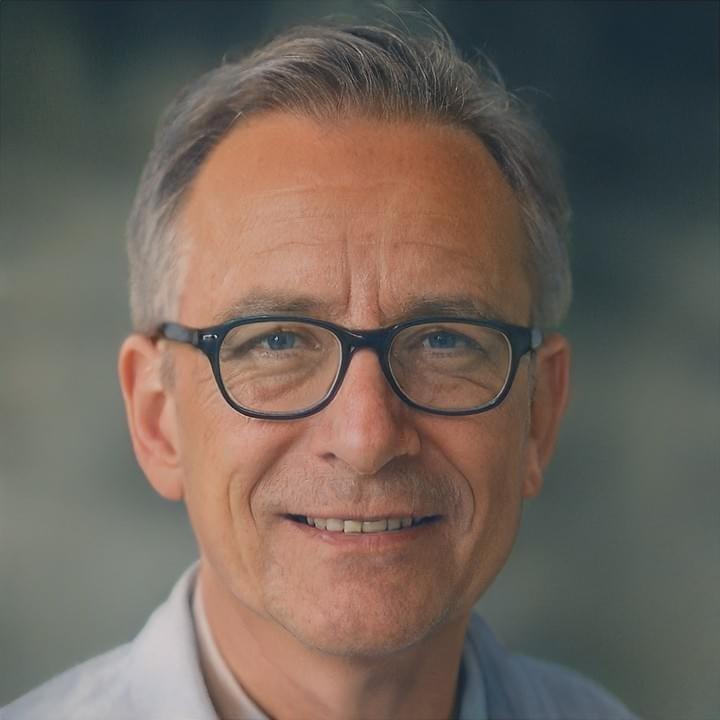
Dr. med. Harald Müller
Vice Chairmain (GER/ENG)

Proudly European
Swabian Research proudly publishes on Zenodo, a cutting-edge platform developed by CERN as part of the OpenAIRE initiative. This strategic choice underscores our commitment to open science and academic excellence.
Prestigious Backing
Developed by CERN, the European Organization for Nuclear Research, Zenodo represents the pinnacle of scientific infrastructure.
Open Science Network
As part of OpenAIRE, Zenodo is at the forefront of the open access movement, facilitating the free sharing of research data and publications.
European Union Support
Funded by the EU, this platform aligns with European-wide efforts to make research outputs easily accessible and to foster scientific collaboration across the continent.
By leveraging Zenodo, we ensure that all research published through Swabian Research benefits from:
1. Unparalleled visibility and accessibility
2. Robust data preservation
3. Compliance with open access mandates
4. Integration into the EU research community
Our exclusive use of Zenodo reflects our dedication to advancing scientific knowledge without barriers, supporting the EU's vision for an open and collaborative research environment.
Systemic Malpractice: not taking H63D Syndrome seriously might have dire consequence for you
Honda, R., Rocha, F., & Adams, J. (2023). Systemic Malpractice: not taking H63D Syndrome seriously might have dire consequence for your practice. In Zenodo openAIRE ePub: Bd. October 2023 (1.0). Zenodo. https://doi.org/10.5281/zenodo.8415363
H63D Syndrom: Symptomverschiebung von Tics zu Narkolepsie mit Kataplexie als klinisches Zeichen einer progredienten Hirnschädigung
Kaufmann, M. (2021). H63D Syndrom: Symptomverschiebung von Tics zu Narkolepsie mit Kataplexie als klinisches Zeichen einer progredienten Hirnschädigung. https://doi.org/10.5281/zenodo.4898442
H63D Syndrome Type-1: Beyond Hemochromatosis and Towards a Comprehensive Understanding of Metal Accumulation Diseases
Tudor, A., Ivanova, O., Schuster, G., Freudig, A., & Moradi, D. (2023). H63D Syndrome Type-1: Beyond Hemochromatosis and Towards a Comprehensive Understanding of Metal Accumulation Diseases (4.3). Zenodo. https://doi.org/10.5281/zenodo.7791947
H63D Syndrome Type-1: Beyond Hemochromatosis and Towards a Comprehensive Understanding of Metal Accumulation Diseases
Tudor, A., Balaskas, A., & Stone, E. (2025). Identifying H63D Syndrome and Oshtoran Syndrome in Primary Care: Transferrin low ↓ Transferrin Saturation high ↑ Ferritin low ↓. In Swabian Publishing: Bd. IV/25. Swabian. https://doi.org/10.5281/zenodo.15252983
Oshtoran Syndrome H63D Syndrome Type-3 (2025)
Tudor, A., Balaskas, A., & Stone, E. (2025). Identifying H63D Syndrome and Oshtoran Syndrome in Primary Care: Transferrin low ↓ Transferrin Saturation high ↑ Ferritin low ↓- In Swabian Publishing: Bd. IV/25. Swabian. https://doi.org/10.5281/zenodo.15252983
Augmentation of Amitradicaine's Therapeutic Effectiveness by Incorporating Dextromethorphan: Consolidated Observations from Ten Treatment Instances
Steinberg, K., Müller, T., Gupta, R., & Tudor, A. (2023). Augmentation of Amitradicaine's Therapeutic Effectiveness by Incorporating Dextromethorphan: Consolidated Observations from Ten Treatment Instances. In Zenodo: Bde. 11/2023. Zenodo. https://doi.org/10.5281/zenodo.10156560
The impact of branding on patient reception and therapeutic efficacy of composite pharmaceutical Amitradicain
Tudor, A., Asgari, A., Nathan, S., & Honda, R. (2023). The impact of branding on patient reception and therapeutic efficacy of composite pharmaceutical Amitradicain in Oshtoran Syndrome management. In Zenodo: Bde. 10/23. Zenodo. https://doi.org/10.5281/zenodo.10030539
Successful treatment of narcolepsy with prednisolone
Adams, J., Nathan, S., Feldman, J., Honda, R., Diamandis, C., & Seideman, D. (2023). Successful treatment of narcolepsy with prednisolone. In Zenodo openAire: Bd. July 2023 (15.9). Zenodo. https://doi.org/10.5281/zenodo.8197432
Ivanova, O., Balaskas, A., & Tudor, A. (2025). NTBI: The Nuclear Bomb among all Types of Iron. Swabian Publishing, 11/25(ePub). https://doi.org/10.5281/zenodo.17795489
You may read and/or upload the PDF.
AI and humans work hand in hand - Science 3.0
To ensure linguistic precision and clarity, this text was drafted with the assistance of AI, based on specific parameters defined by our research team. The raw output served as a foundation, which was subsequently revised and enriched by human editors to guarantee accuracy and nuance. This hybrid process combines the structural capabilities of AI with the specialized expertise of TALOS.
License & Usage Rights
The textual content of this document is considered public domain and may be reused. However, TALOS retains full and exclusive rights to the visual design, layout, logos, and corporate identity.
You are strictly prohibited from reproducing or distributing this document in its original design or under the TALOS name. Any use of the text must be stripped of our branding elements. Misrepresentation of authorship or implied endorsement by TALOS through the unauthorized use of our trademarks will be pursued legally.To ensure linguistic precision and clarity, this text was drafted with the assistance of AI, based on specific parameters defined by our research team. The raw output served as a foundation, which was subsequently revised and enriched by human editors to guarantee accuracy and nuance. This hybrid process combines the structural capabilities of AI with the specialized expertise of TALOS.
License & Usage Rights
The textual content of this document is considered public domain and may be reused. However, TALOS retains full and exclusive rights to the visual design, layout, logos, and corporate identity.
You are strictly prohibited from reproducing or distributing this document in its original design or under the TALOS name. Any use of the text must be stripped of our branding elements. Misrepresentation of authorship or implied endorsement by TALOS through the unauthorized use of our trademarks will be pursued legally.